The Lost Future of Physical Media: Why SD Cards Were the Perfect Medium

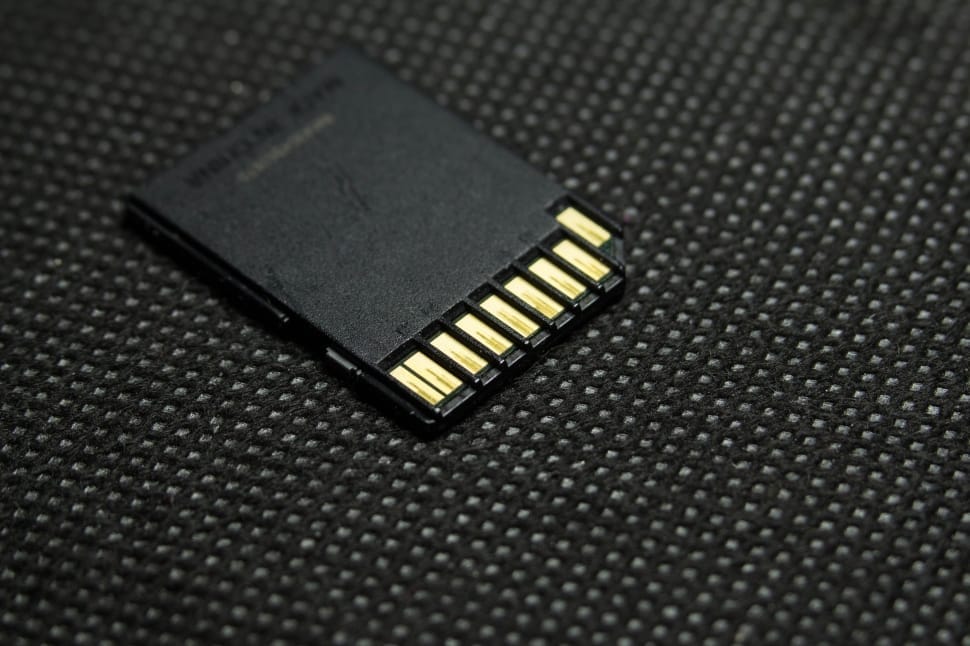
The age of "owning" things is quietly coming to an end. For decades, a digital purchase meant a tangible object: a cartridge, a CD, or a DVD. Today, "buying" a movie or a game on a digital storefront is increasingly revealed to be a fragile licensing agreement; one that can be revoked at any time by a server shutdown or a corporate merger.

The downfall of physical media was driven by the undeniable allure of convenience. We traded the ritual of the disc for the instant gratification of the stream. But in this transition, we lost the ability to lend, trade, and truly own our data. As discs became cumbersome and optical drives vanished from our laptops, physical media felt like a relic. Yet, we overlooked a medium that was small enough, fast enough, and secure enough to save it: the Secure Digital (SD) card.
The Problem with Discs
Optical media such as CDs, DVDs, and Blu-rays failed because they were fundamentally incompatible with the trajectory of modern hardware. They are fragile, sensitive to light and scratches, and require bulky mechanical drives to read. As devices became thinner and more mobile, the optical drive was the first component to be sacrificed.
By contrast, the SD card is a marvel of solid-state engineering. It has no moving parts, is virtually waterproof, and is small enough to fit inside a wallet. While we relegated them to expanding the storage of our cameras and Nintendo Switches, SD cards possessed the latent potential to be the definitive commodity medium for all digital content.
A Medium for Authentication and Authorization
The "S" in SD stands for "Secure," a reference to the Content Protection for Recordable Media (CPRM) technology baked into the hardware. This architecture allows for a level of physical authentication that streaming cannot replicate.
Imagine a world where a software license or a "day-one" game release wasn't tied to an online account, but to a physical micro-SD card. To authorize the software, you simply insert the card. Because the card contains a unique hardware ID and a protected area of memory inaccessible to standard file explorers, it could serve as a "physical key" that is impossible to replicate via simple software piracy. This would have allowed users to "lend" a digital game or a high-end creative suite to a friend simply by handing them the card; restoring the "First Sale Doctrine" to the digital age.
Commodity File Sharing and Portability
Before the cloud, physically carrying data from one computer to another was the fastest way to share large files. While we now rely on AirDrop or “cloud” shares, these services require high-speed internet and compatible ecosystems.
SD cards could have been the universal "physical hyperlink." A film studio could have sold 4K movies on "Collectable Micro-SDs" that provided higher bitrates than any streaming service could dream of, with zero buffering. Because of their tiny footprint, these cards could have been embedded in posters, vinyl sleeves, or concert tickets, bridging the gap between a physical souvenir and a high-fidelity digital asset.
The Subscription Trap
Ultimately, the downfall of physical media wasn't a failure of technology, but a shift in economics. Corporations realized that recurring subscription revenue is far more profitable than a one-time physical sale. By killing the physical medium, they effectively killed the secondary market. You can’t sell a used Netflix stream; you can’t lend a Kindle book to a neighbor without giving them your password.
If we had embraced the SD card as the standard for media distribution, we might still live in a world where "buying" a piece of culture meant it was yours forever, regardless of whether a server stays online or a license expires. We traded our digital sovereignty for a "Play" button, and in doing so, we let the perfect medium slip through our fingers.